HIPAA Compliance in Customer Support: Basics for Small Businesses
Small businesses in healthcare have questions about protecting patient data in customer support. Many wonder if they can email sensitive info. Others worry about text or chat. They want to stay compliant without turning support into a hassle. Let's break this down.
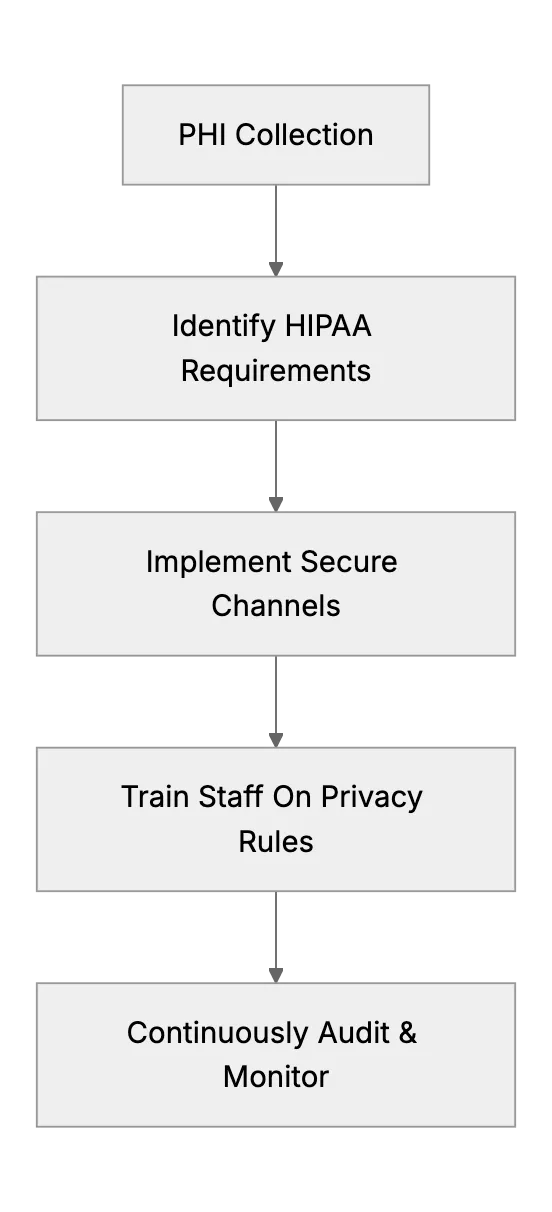
HIPAA compliance revolves around safeguarding PHI. This includes any info that can identify a patient, like names tied to medical details, billing records, etc. When providing support, these data points often come up. If you're handling PHI, you must follow HIPAA's Security and Privacy Rules. The good news is it's not too complex once you know the basics.
Using HIPAA-Compliant Email Services
Email is one of the first channels that small businesses use for support. Standard email isn't automatically compliant. You need encryption at rest and in transit, plus features like access controls. A Business Associate Agreement (BAA) must be in place with your email provider if they handle PHI. If your current provider doesn't offer a BAA, consider switching or use a secure messaging add-on.
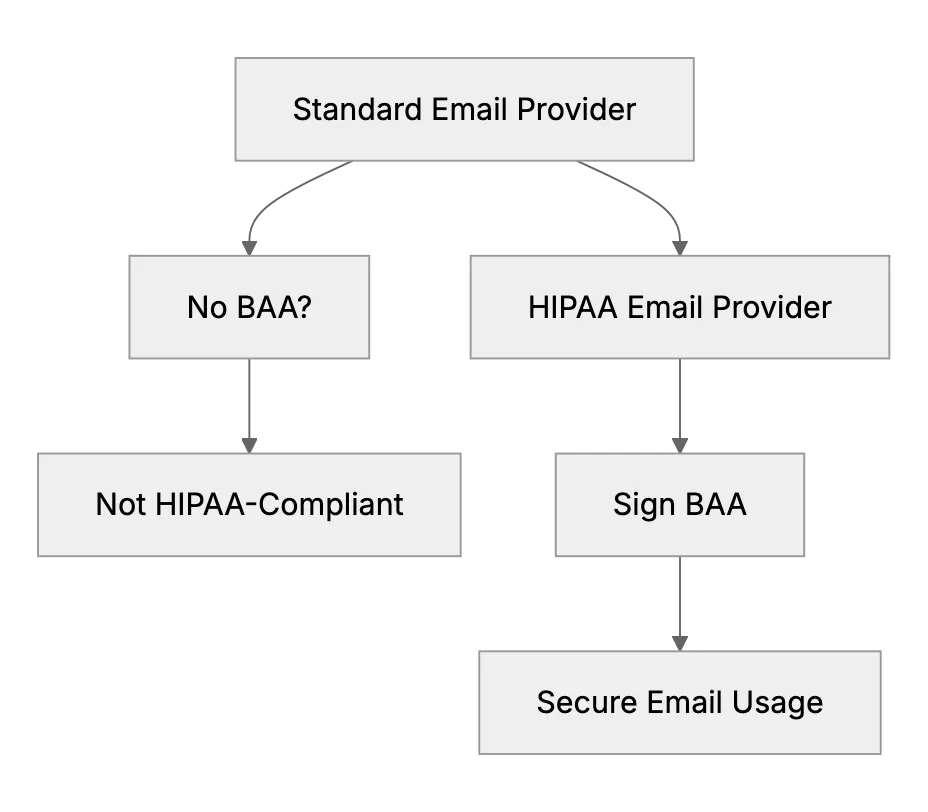
Check your provider's documentation about HIPAA compliance. Many popular email services have special tiers for healthcare. Remember to configure them properly. Encryption alone isn't enough. The BAA is needed.
Secure Messaging Portals and Why They Matter
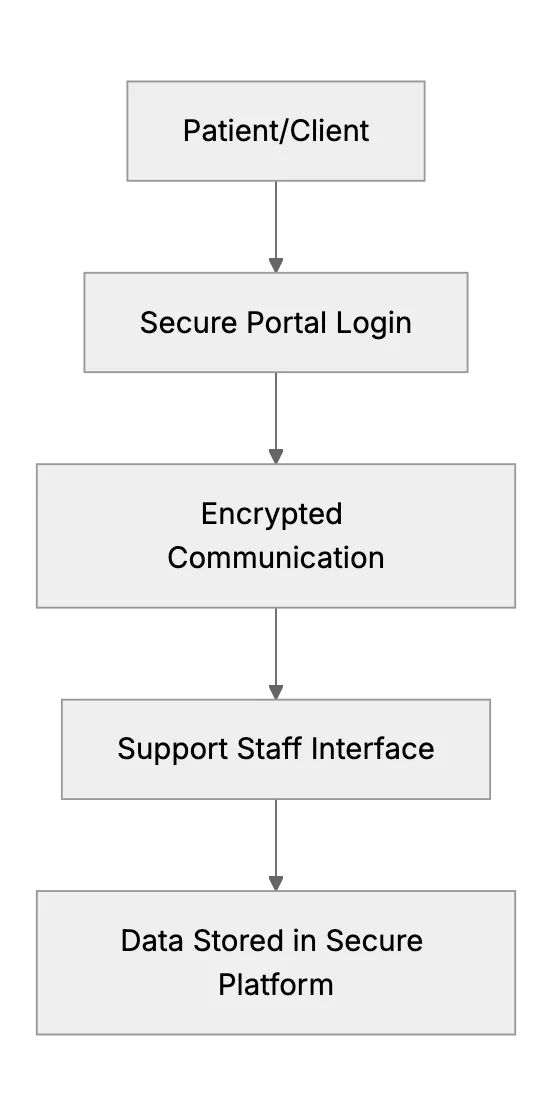
Sometimes email isn't the best. Secure portals allow two-way messaging without storing PHI in risky places. Patients can log in, read messages, and respond. This data remains on your secure server or the vendor's protected platform. There's less chance of accidental leakage. Encryption is typically integrated. Support staff sees everything in one place, so you can keep track of message threads. Make sure the portal is properly configured, and get that BAA if it's a third-party service.
Getting a Business Associate Agreement (BAA)
A Business Associate Agreement is a legal contract between you and any service provider that handles PHI on your behalf. This can be cloud hosting providers, email vendors, or support desk SaaS platforms. A BAA outlines how they’ll protect PHI and maintain HIPAA safeguards. Without a BAA, using that service for PHI is not compliant. It's important to confirm all your partners sign BAAs. This step is often overlooked by small businesses. Don't skip it.
Key Measures to Protect PHI
Small health-related businesses typically focus on these main security measures:
- Encryption in transit and at rest - ensures data is safe if intercepted or stolen.
- Access controls - limit PHI access only to people who need it for work.
- Audit logs - track who accessed what, and when, to spot suspicious activity.
- Regular training - staff must know how to handle PHI responsibly.
- Ongoing risk assessments - identify vulnerabilities and address them promptly.

If these steps are done, your support process can remain effective and safe. Even small businesses can manage it with the right tools.
Why a HIPAA-Compliant SaaS Support Desk Helps
If the vendor offers a BAA, that covers a big chunk of your responsibilities. Still do your due diligence. Check how they store data, how access is managed, etc. A good HIPAA-ready platform can simplify your life, but you must make sure your internal procedures align with it.
Protecting patient data isn't just about meeting regulations. It builds trust. Clients feel safer knowing you're taking care of their info. For small health businesses, that's a big deal. With the right approach, HIPAA compliance can become second nature.
Related Articles
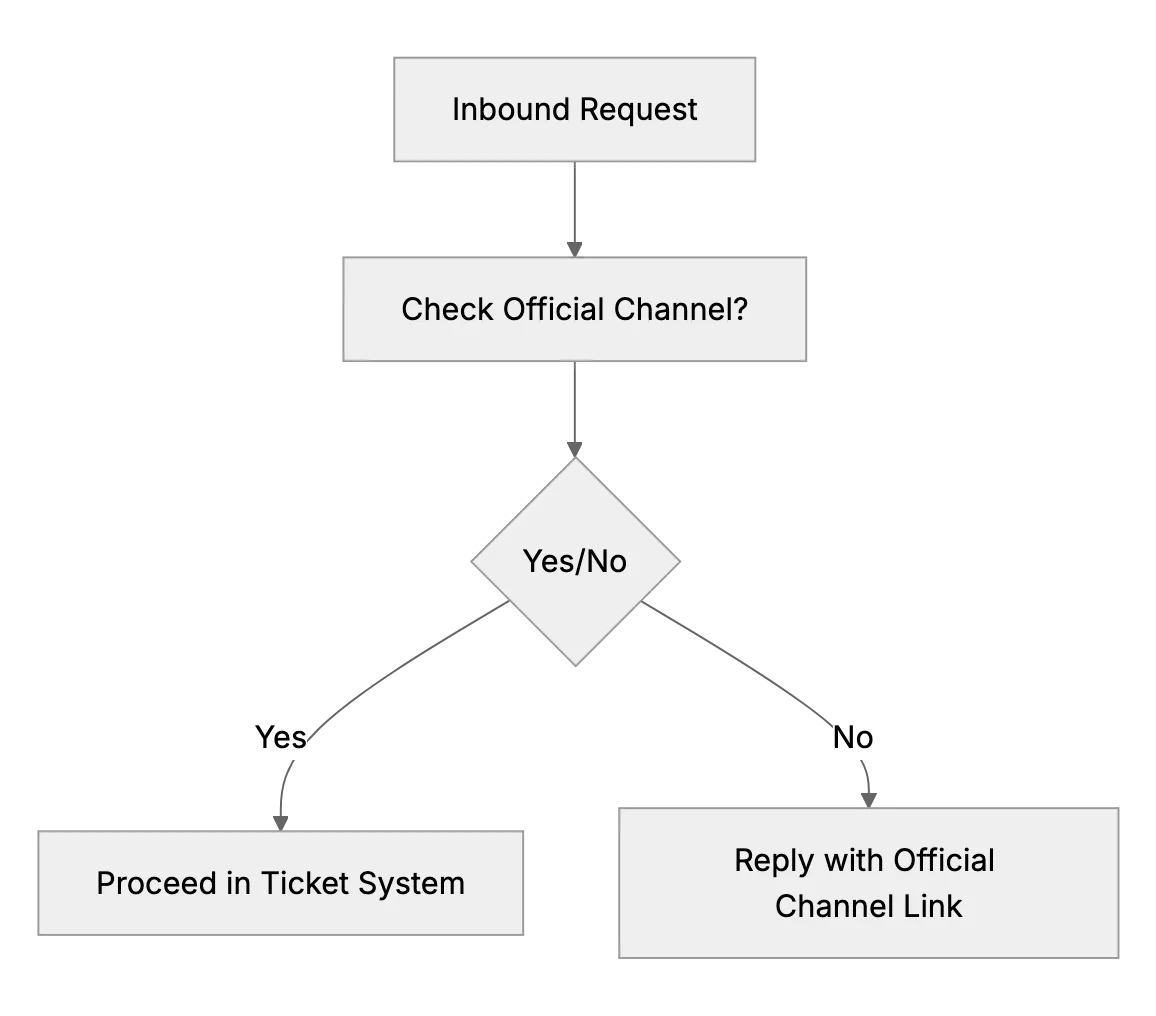
What to Do if Customers Contact You Outside Official Channels
When customers DM or text your personal accounts, reply kindly and point them to your official email or support desk so every request is tracked.
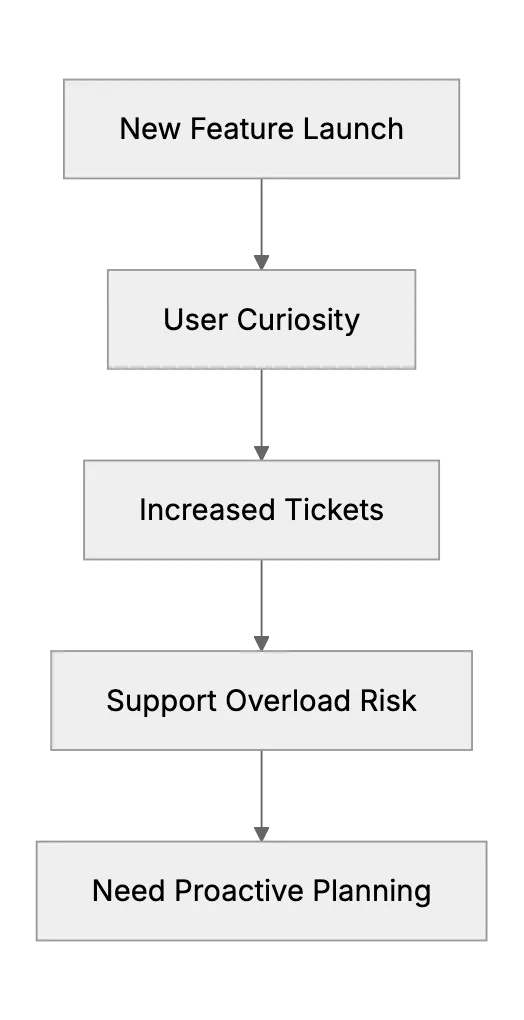
Handling Support Surges After a New Feature Launch or Update
When a small software team rolls out a big change, support tickets can spike with questions or bugs. This article provides a game plan: prepare support docs/FAQ updates ahead of the launch, coordinate with the dev team to be on standby for hotfixes, maybe run a beta with friendly customers to catch issues early. It will use ideas from experienced small teams who learned the hard way to communicate changes clearly to users to avoid confusion.
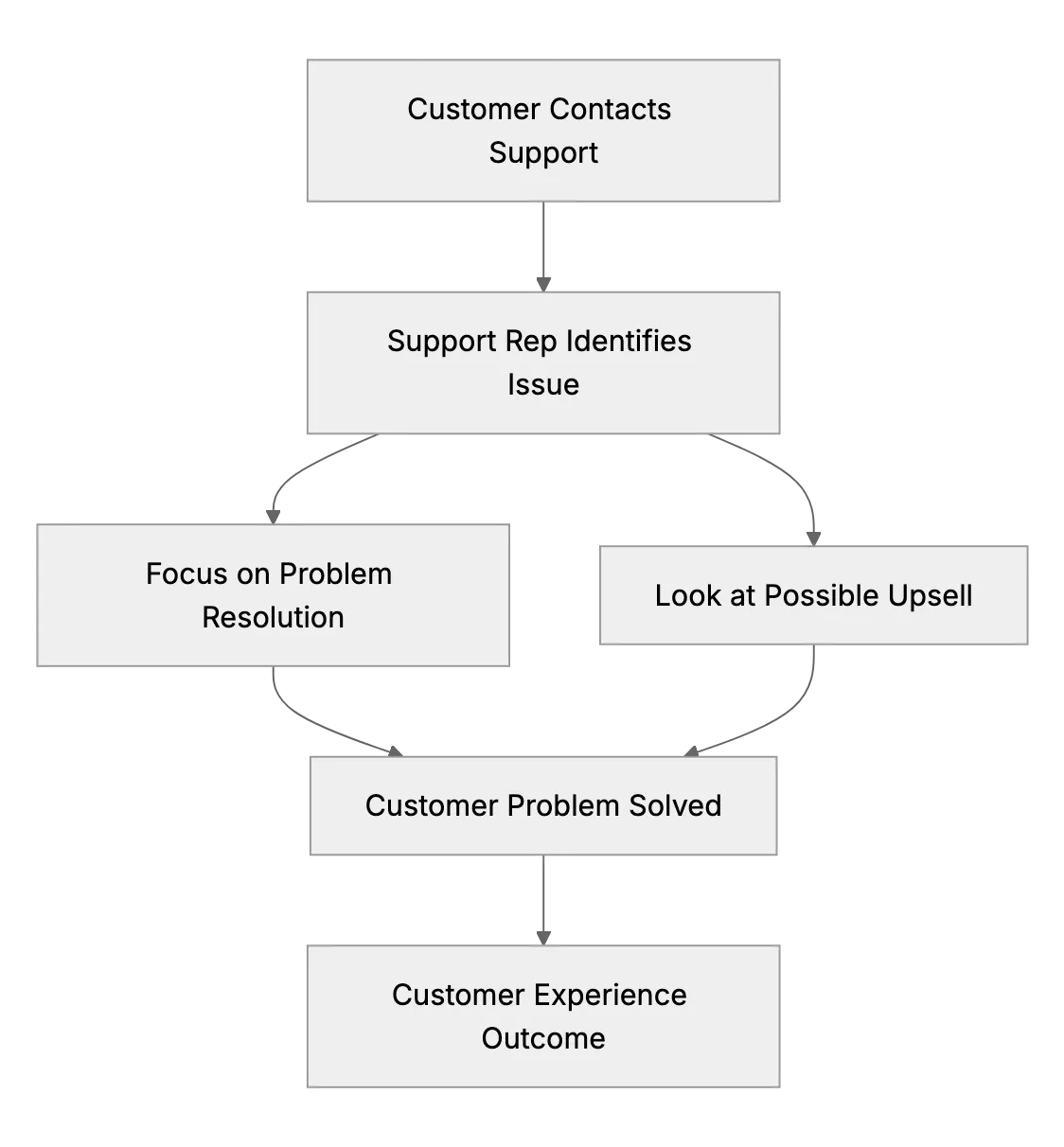
Should Small Support Teams Upsell or Just Solve Issues? (Finding the Balance)
Small business owners often wonder if their support exchanges should also be used for sales opportunities, like cross-selling or upselling. This article explores customer experience vs. revenue for small teams.