Handling Legal Threats or Demanding Customers Without a Legal Team
Running a small business can feel like juggling. One moment you handle marketing. The next you manage advanced security procedures or other regulatory needs. Then a demanding customer arrives. Suddenly they say they’ll sue or report you to the BBB. That threat may or may not be valid. But it sure adds stress. Let’s look at ways to keep composure, respond clearly, and protect your business.
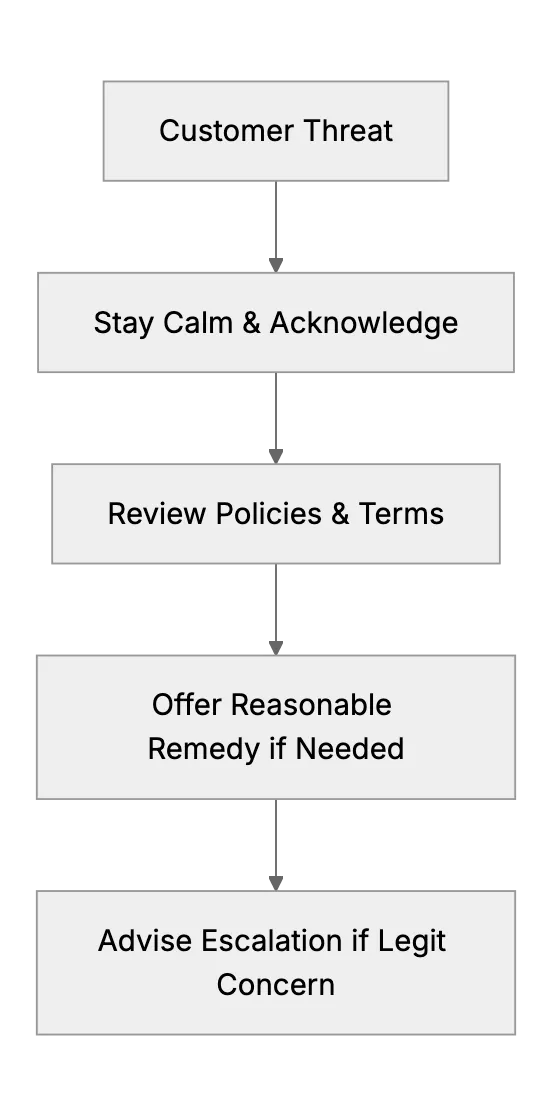
Threats like "I’ll sue" or "I’m reporting you" can come from frustration. They can be intentional intimidation or just venting. Your main goal: stay professional. You want to diffuse anger while documenting the interaction. A well-designed support software with advanced security helps track all messages. That’s handy if you ever face real legal scrutiny.
Review Policies and Maintain Transparency
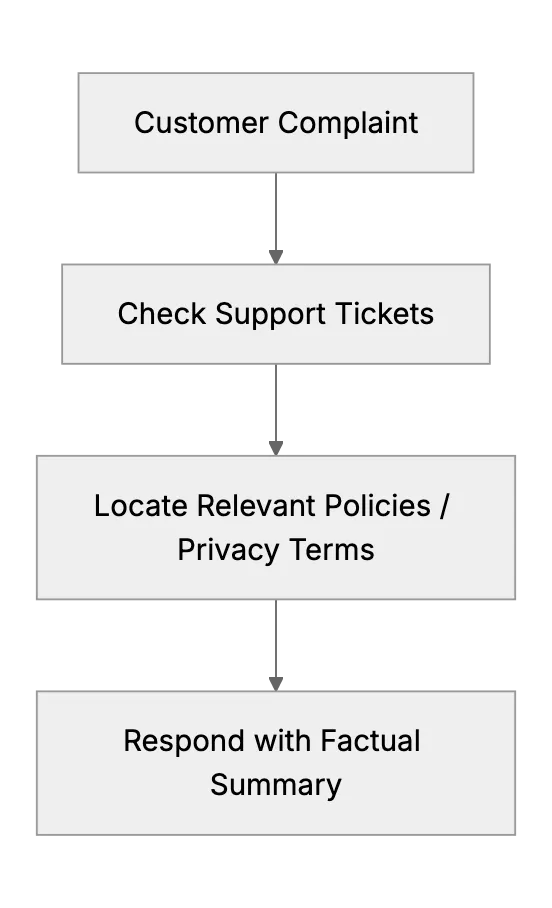
Your written policies, disclaimers, and standard operating procedures matter. When confronted with threats, look at any relevant policy. State it clearly. If the customer says you violated an agreement, check the records. Show facts if you have them. This helps quell claims quickly. If you handle sensitive data subject to privacy regulations, your records must be accurate. Compliance risk increases if you lack clarity. A documented approach ensures you have your bases covered.
When to Seek Actual Legal Advice
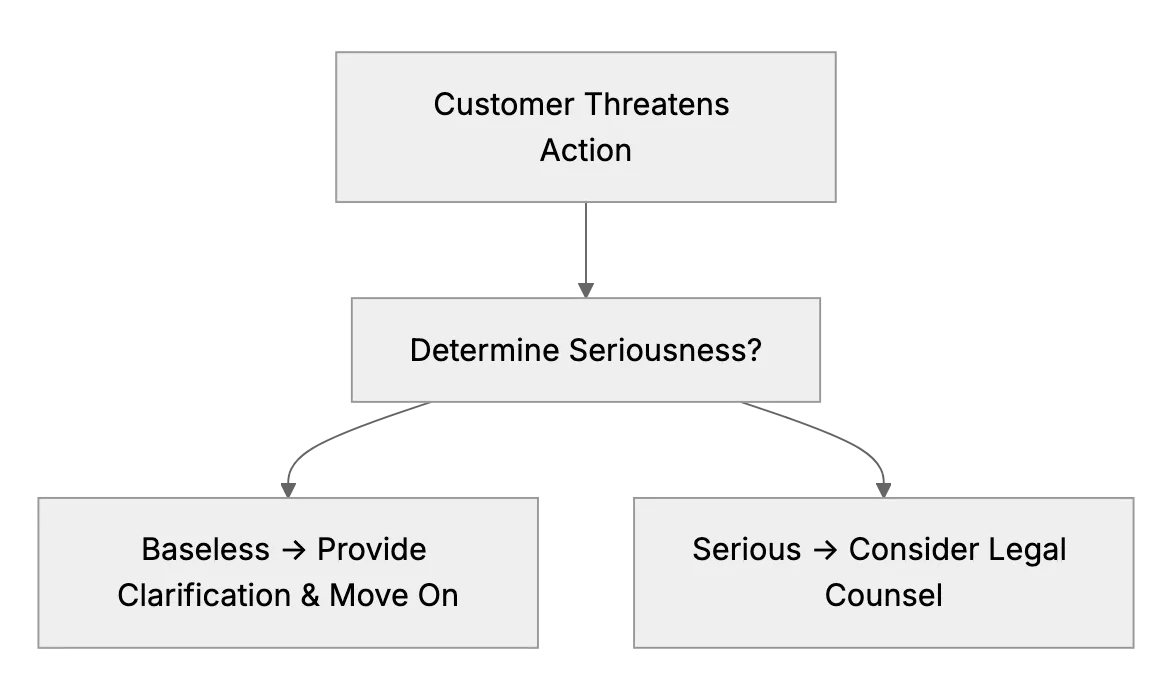
Many small businesses don’t keep a lawyer on retainer. That’s normal. But if a threat seems real or the dispute involves complex matters, consulting an attorney can help. Seeking legal counsel might be wise if the demands escalate or if security frameworks or privacy laws are implicated in a potential data breach scenario. Don’t guess. Better safe than sorry. A short conversation with a qualified professional can clarify next steps.
In many cases, though, customers threaten but don’t act. They hope intimidation will yield a refund or extra service. A measured approach often calls their bluff. Ask them politely for specifics. If they can’t provide any, the matter may end there. If they have a legitimate concern, talk solutions within reason. That fosters trust and brand loyalty, even if they’re upset now.
Document Everything
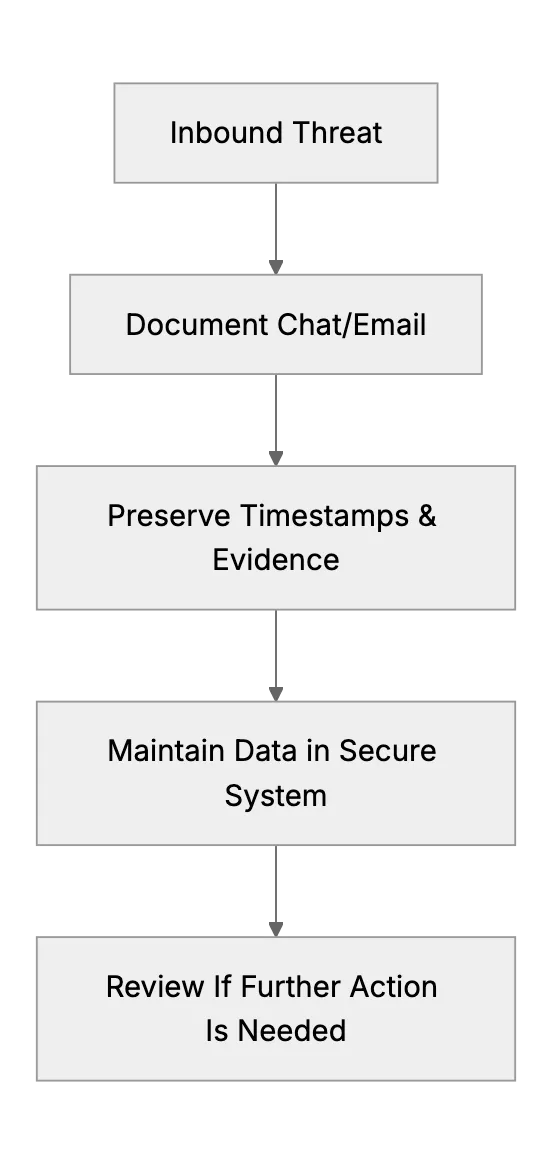
Record all communications. Keep timestamps. Use professional language in each reply. This shows consistent behavior should a complaint or lawsuit arise. If you store or transmit regulated health info, you already do strong record-keeping. Good records protect you from claims that you ignored or misled the customer.
Monitoring escalations is easier with a strong support desk solution. Some solutions allow you to tie your compliance obligations and internal policy checks together. Also, you can quickly retrieve customer history. That helps you identify patterns or see if this customer made threats before. It saves time and reduces risk.
Practical Steps to Handle These Situations
- Acknowledge calmly: Never react emotionally. Show empathy but don’t admit fault if you’re unsure.
- Clarify your policies: Reference any relevant sections or disclaimers that apply.
- Offer a fair solution: Refunds, replacements, or other gestures might appease real disputes.
- Escalate if needed: If the threat sounds credible, consult an attorney. Don’t ignore it.
- Document thoroughly: Keep detailed logs in case you need them later.
End
Legal threats from demanding customers can catch you off-guard. With consistent policies, professional communication, and a reliable support platform, you can usually resolve issues. If it goes beyond your expertise, seek actual legal advice. Small businesses without a legal team aren’t helpless. They just need to stay organized, stay calm, and use the resources at their disposal.
Related Articles
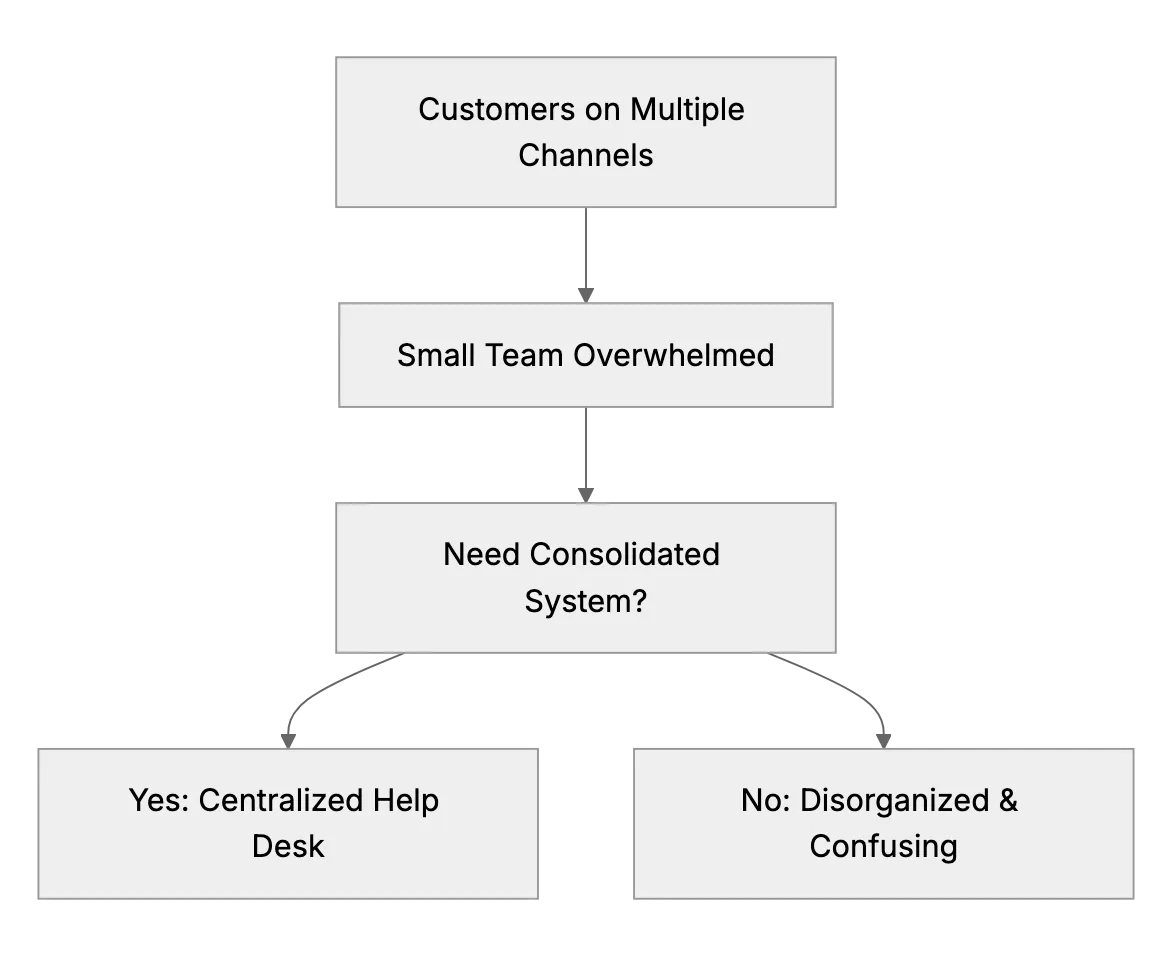
Managing Multiple Support Channels (Email, SMS, Social) with a Small Team
When email, SMS, social and chat pile up on a small team, put them in one queue, triage by urgency and switch off channels you can't staff.
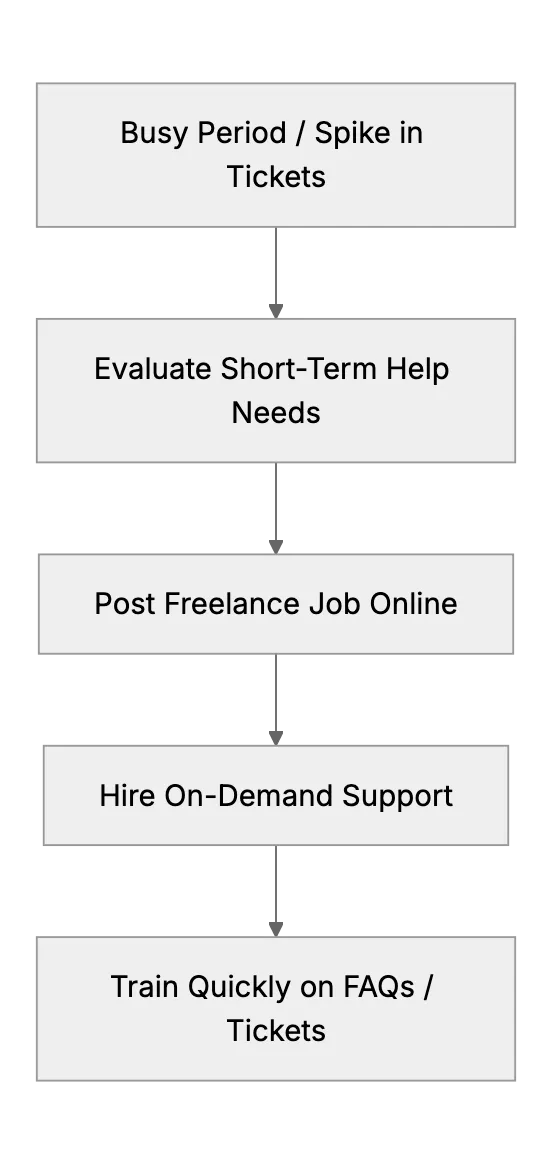
Hiring Freelance/On-Demand Support Help During Busy Periods
Cover seasonal rushes with freelance support staff: define their scope, train them fast, limit data access, and remove access when the contract ends.
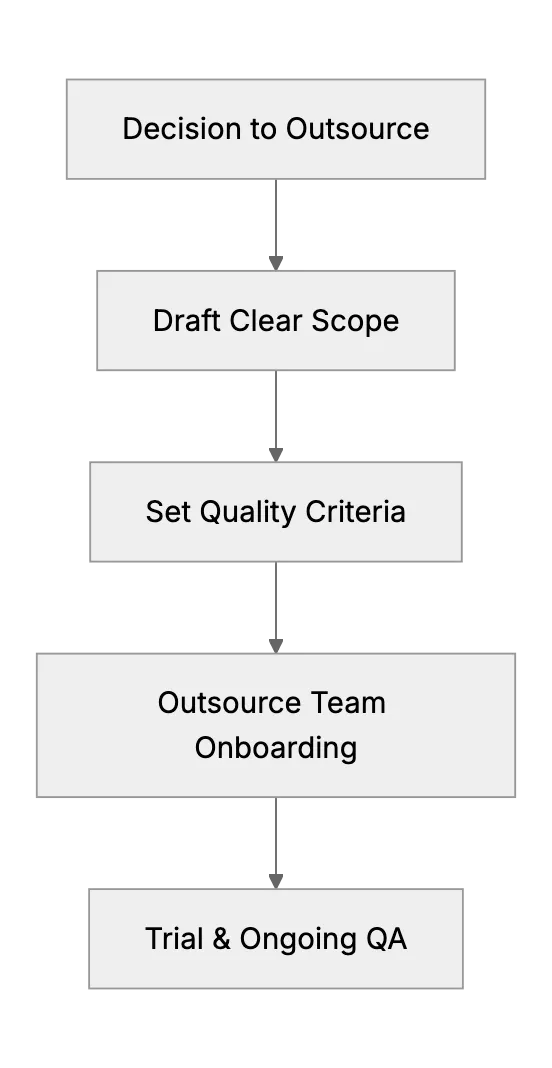
Ensuring Quality When Outsourcing Support (Maintaining Standards)
Learn how to outsource customer support without lowering service standards. Find best practices like knowledge base creation, trial periods, QA processes, and continuous feedback loops.