When Is Enough Enough? Setting Boundaries in Customer Service
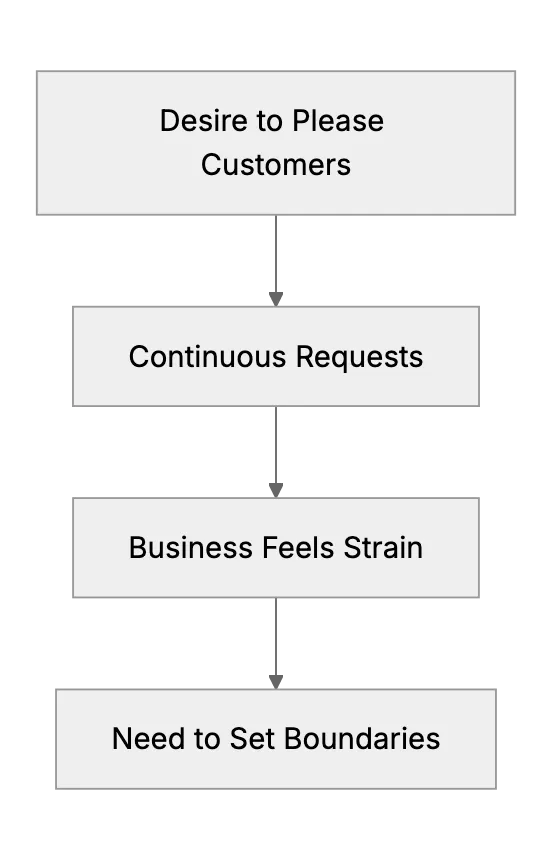
It can be confusing to find that sweet spot. People say the customer is always right. That idea works up to a point. Sometimes, you have a client who never stops. They keep requesting modifications. They ask for continuous favors. They expect you to bend every policy in their favor. Where do you draw the line?
In small businesses, customer satisfaction is key. But we also have to protect our resources. We have teams that need to stay productive. We have other customers who need attention. Offering the extra mile is nice until it becomes unsustainable. Let's look at ways to manage such scenarios and maintain positive relationships without draining your staff.
One big reason boundaries matter: resources. Your team can only handle so much. Unlimited overtime is not feasible. But eventually you must decide: is the request fitting within your service scope?
Let's say you handle health data.
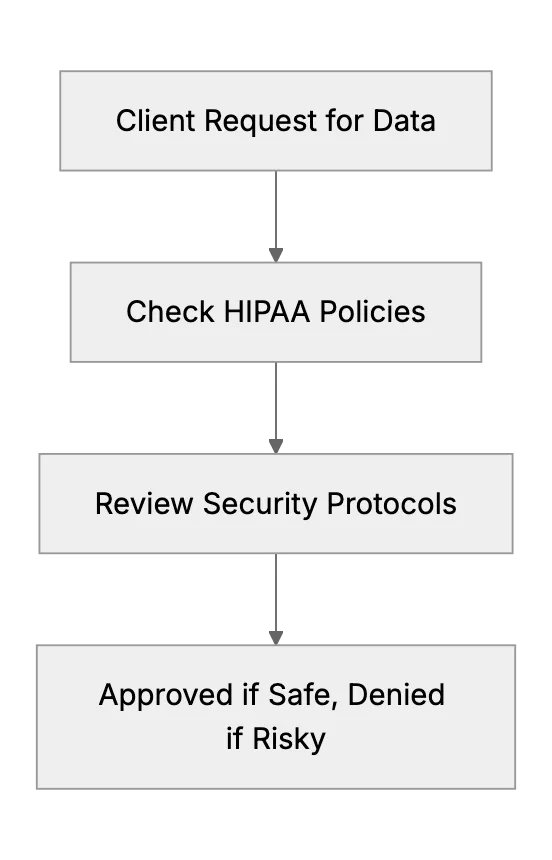
Each set of standards has guidelines that define what is acceptable. If a client wants special access or a data export that violates your policies, you have to say no. That's not just for your own peace of mind. It's a requirement if you want to keep your certifications and protect your customers' data.
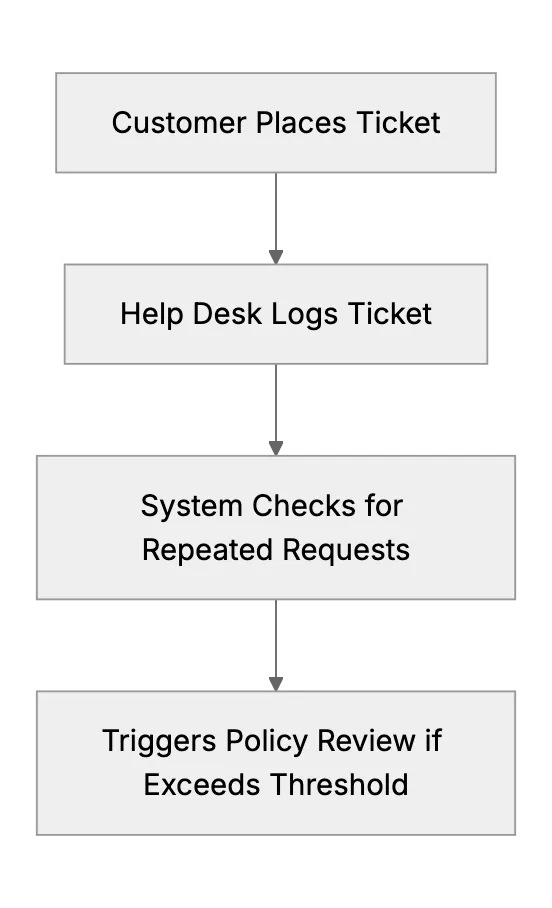
If a single request is turning into a never-ending chain of demands, you get a heads-up. You might also set up simple triggers that remind staff to confirm whether the request remains in scope.
Setting boundaries isn't about being rigid. It's about ensuring fair service for everyone. You don't want one demanding client to derail your entire operation. There are ways to say no with tact. Sometimes you offer an alternative paid option. Other times, you mention your policy. You can thank them for understanding. Then you move on. Over time, you build a reputation as a fair provider. You still deliver top-notch service.
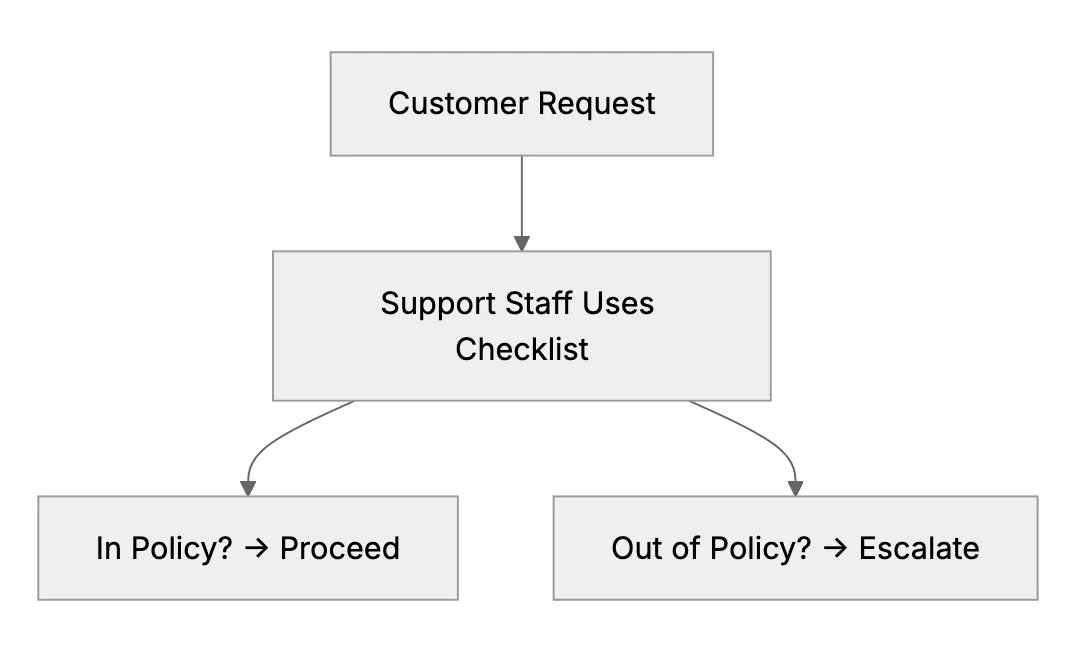
Training your staff is key. Make sure they know what's in scope. Give them guidelines. Encourage them to escalate unusual requests. This fosters consistency. It also helps employees feel secure, knowing they won't get in trouble for politely declining out-of-scope demands. Consider a short checklist for your support staff so they can quickly assess if the request is feasible.
Handling tough clients is part of the trip. You serve customers with respect and thoroughness. You keep your business protected. In the end, healthy boundaries lead to better results for everyone.
Related Articles
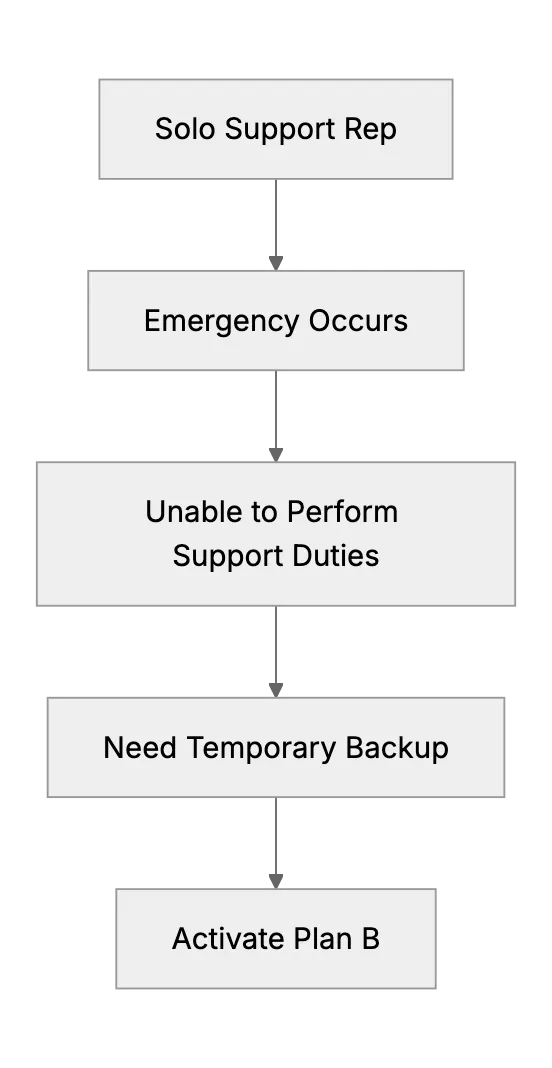
What Happens When the Only Support Person Is Sick? (Emergency Backup Plans)
Preparing a backup plan for a one-person support team during unexpected illness or personal emergency.
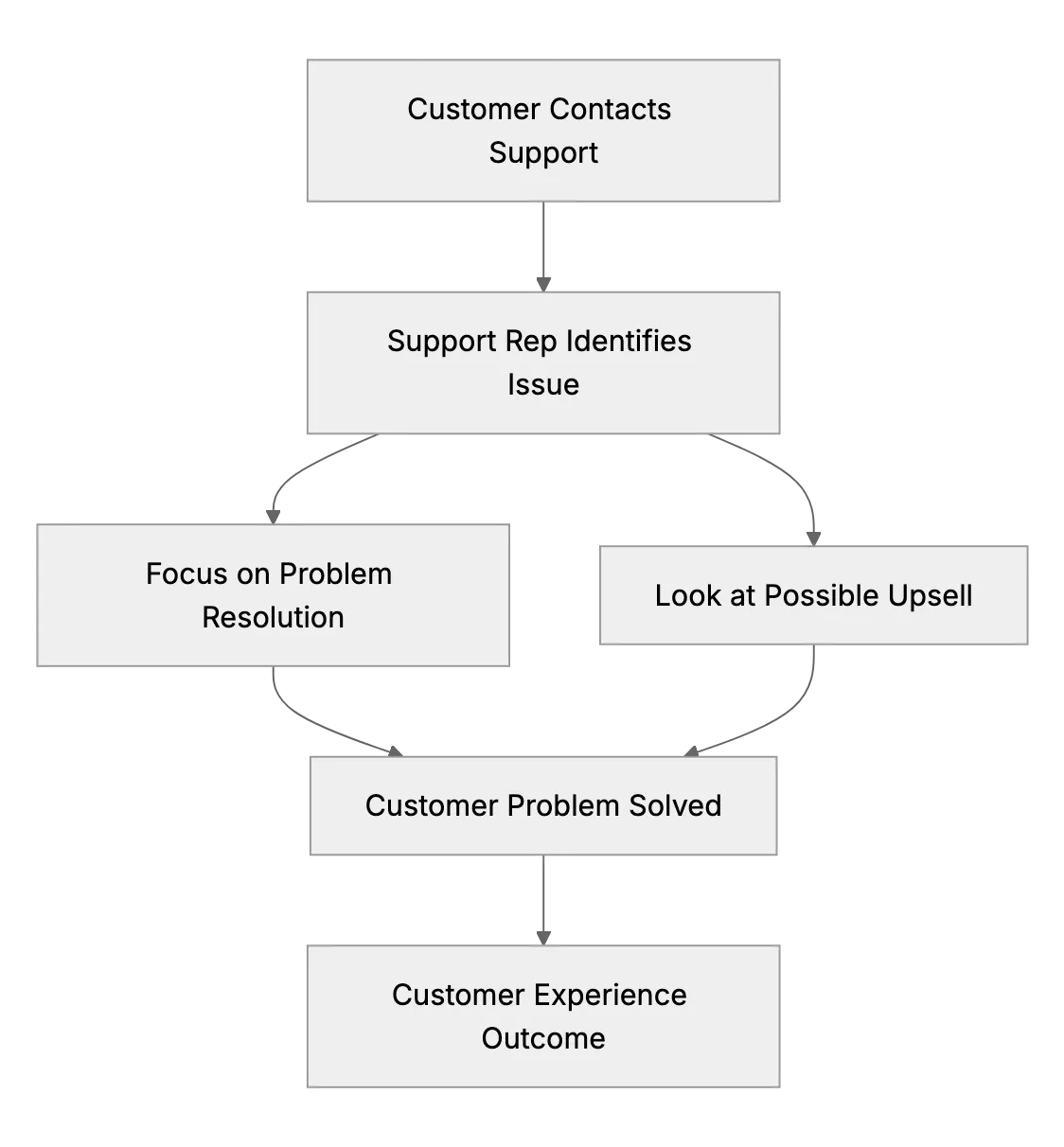
Should Small Support Teams Upsell or Just Solve Issues? (Finding the Balance)
Small business owners often wonder if their support exchanges should also be used for sales opportunities, like cross-selling or upselling. This article explores customer experience vs. revenue for small teams.
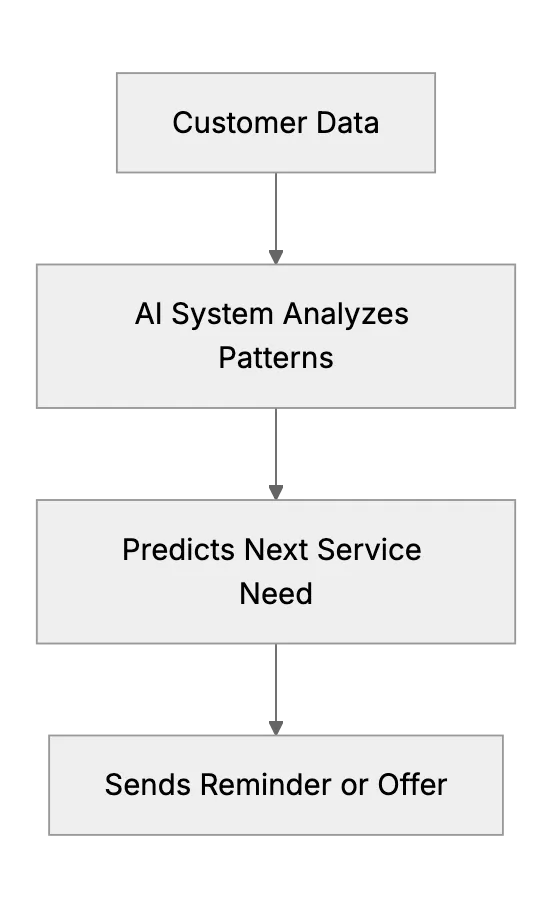
Predictive Customer Needs
How AI Predicts Customer Needs and Enables Proactive Service