Proactive Support on a Shoestring: Reaching Out Before Issues Arise
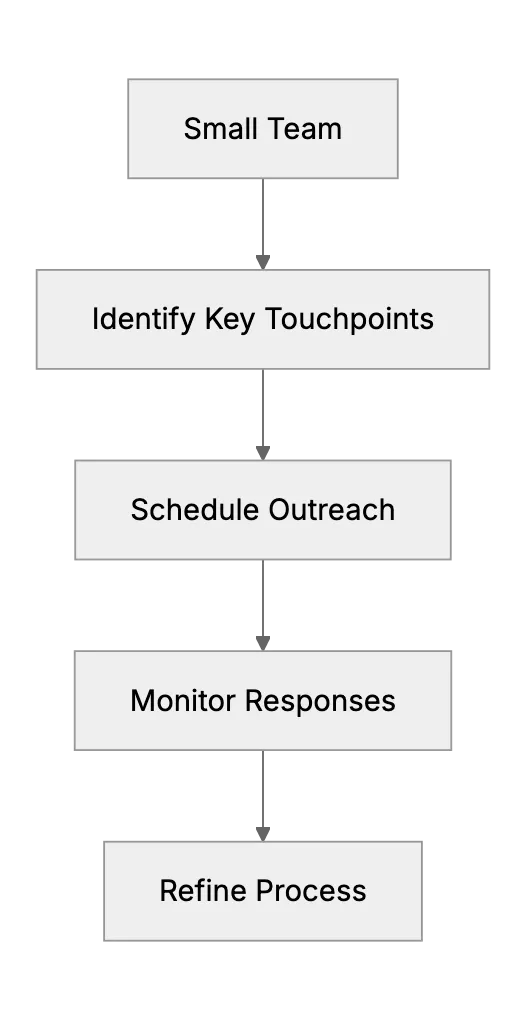
Proactive support might feel like a luxury. Many small teams worry about the workload. Others assume it requires a large staff. Yet even a scrappy business can incorporate simple proactive tactics. These initiatives can reduce churn and maintain healthy customer relationships.
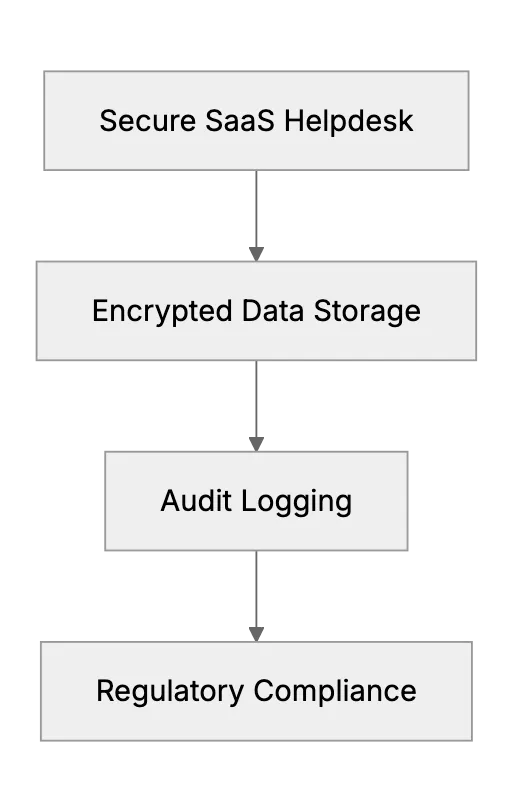
Let's discuss how to build proactive support with minimal resources. We'll also touch on good security practices, since data privacy matters to customers. Even small teams can meet privacy standards and maintain user trust.
1. Personal Touchpoints Without Huge Costs
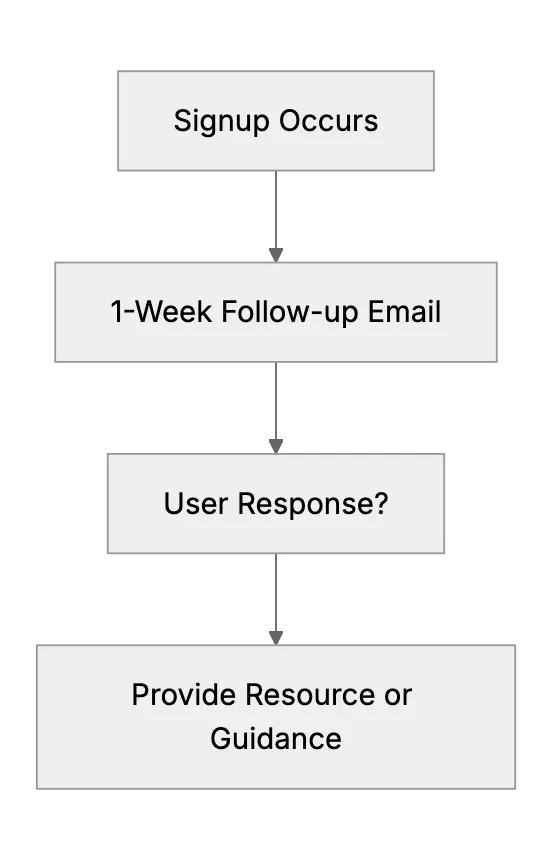
One of the simplest ways to get proactive is a brief email or message to new sign-ups. Doing this after a week can prompt users who haven't dug in yet. It signals your willingness to help. A short message is enough. No big marketing campaign needed. Just a quick note to show you care.
Some small SaaS outfits send an optional onboarding tutorial. Others send a product guide with security best practices. This approach helps users get comfortable. It also shows you value their experience. Minimal overhead, maximum impact.
Monthly tips newsletters also help. They keep your product fresh in the minds of busy users. They can be automated with minimal extra cost.
2. Following Up on Inactivity
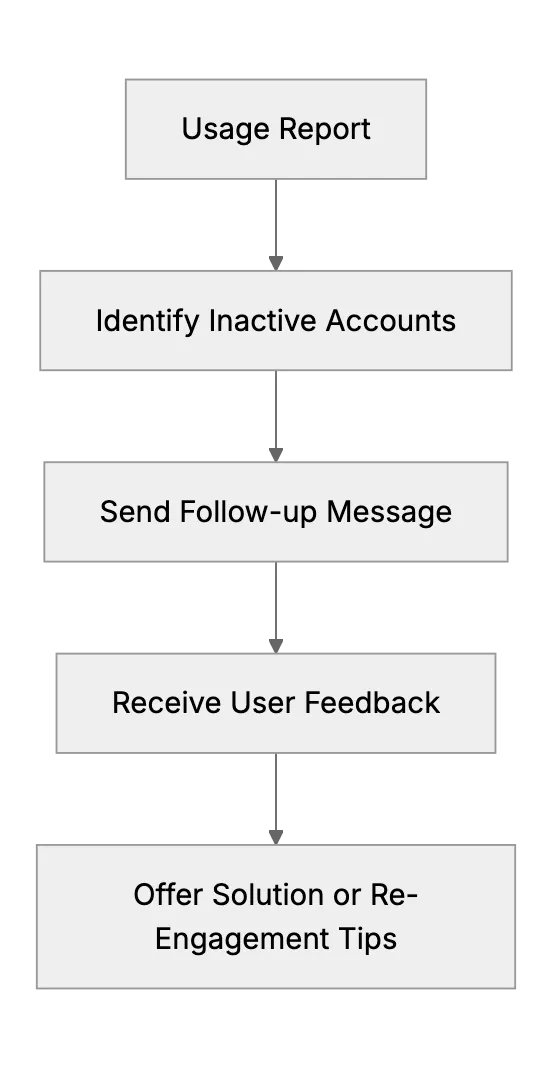
Another tactic is to check usage data. If a user hasn't logged in for a while, send a polite nudge. Ask if there are issues. See if they need help. This can reveal hidden problems that users never reported. You can address them early before the customer churns.
These follow-ups can be quick messages or calls. Users in regulated industries appreciate your efforts to meet industry standards. It reassures them that you take data privacy seriously.
3. Secure Support Channels are Key
Proactive support doesn't just mean adding more emails. It also means giving users a trustworthy channel to reach out when needed.
4. Analytics and Iteration
After you start these proactive efforts, track their impact. Monitor open rates on emails or click-through on your monthly tips. Keep an eye on support tickets. See if proactive messages reduce ticket volume. Then iterate. Refine the timing. Adjust the content. Small steps can make a big difference over time.
Good security practices are ongoing. Periodically review your procedures.
Wrapping It Up
Proactive support on a shoestring doesn't have to break the bank. A simple check-in email or inactivity reminder can go a long way. Monthly newsletters keep your product in focus. Even small teams can handle these tasks without huge expenses.
Customers notice proactive gestures. They feel supported. They have fewer obstacles. You gain loyalty. In the long run, that reduces churn and keeps your users engaged.
Related Articles
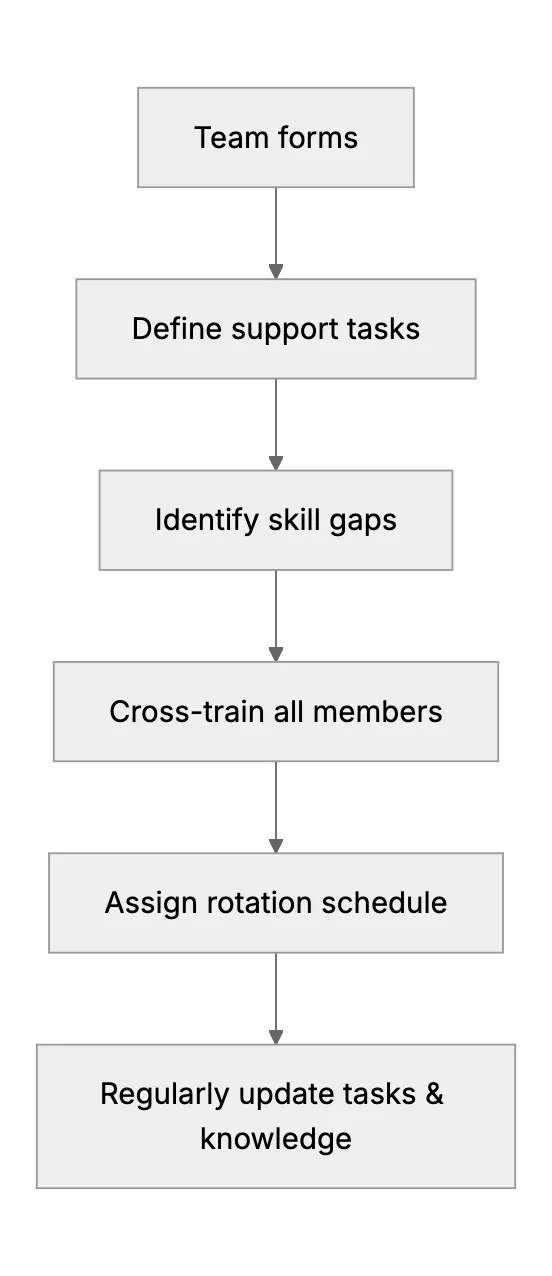
Sharing Customer Support Duties in a Small Team (Rotating Responsibilities)
Rotate support duty across a small team with a shared schedule, shadow days and a cheat sheet so no one burns out and everyone hears from customers.
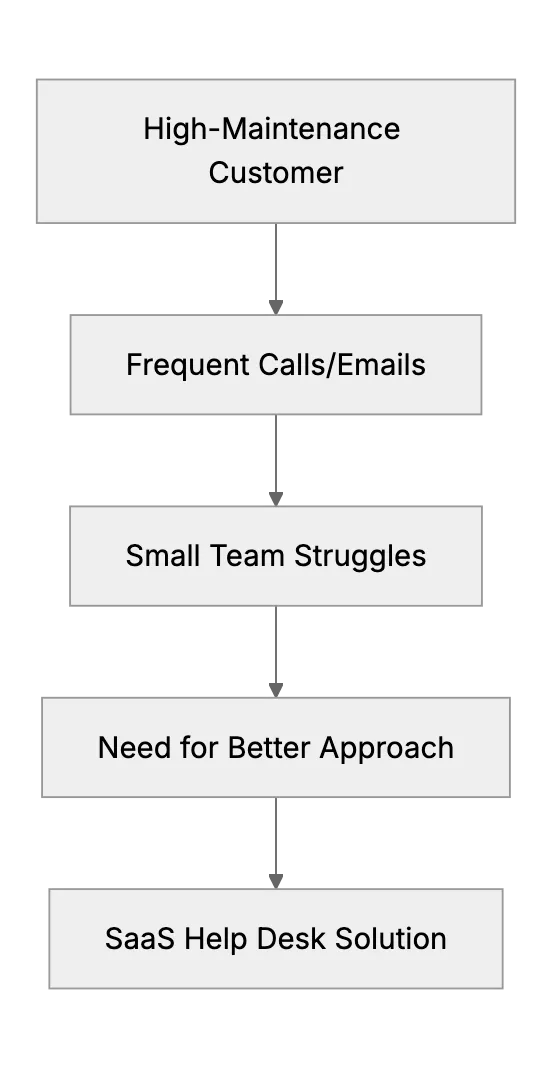
Handling High-Maintenance Customers on a Small Team
Some customers demand disproportionate attention: constant calls or hand-holding. A small team can’t spend all day on one client. This article discusses strategies to manage these customers: setting clear boundaries, maybe a consulting/training fee for excessive help requests, plus streamlined answers through written guides. Advice on politely redirecting overly needy clients without losing them.
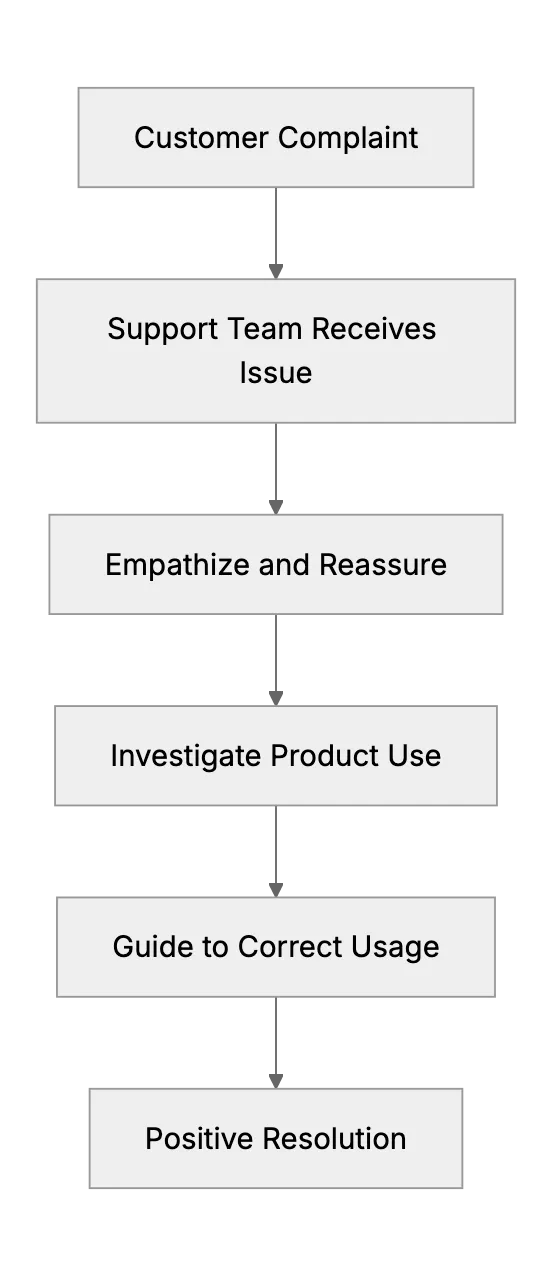
It's Not You, It's the Product Use! - Correcting Customer Mistakes Nicely
When a customer blames the product for their own mistake, start with empathy, say it's a common issue, then walk them through the fix step by step.