Should a Small Team Promise Formal SLAs to Clients?
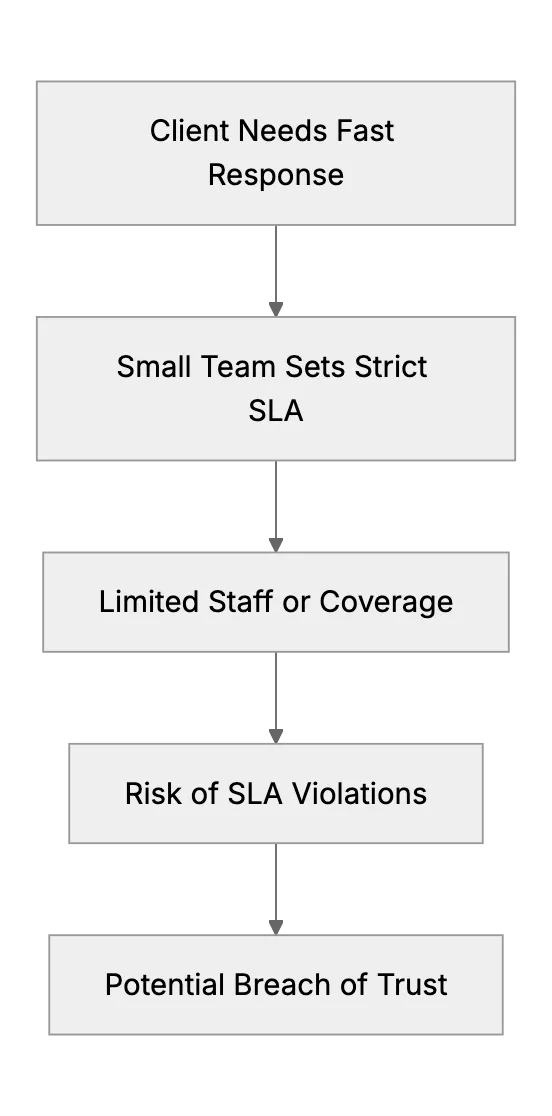
Some small B2B support teams want formal SLAs, but tight promises are risky with limited staff.
If you promise a two-hour response and your only agent is out, you risk breaking the SLA and losing trust.
Before committing to a formal SLA, confirm your team's coverage schedule, response procedures, and any regulatory obligations. Aim to beat it in practice. That helps you build goodwill without overshooting your capacity.
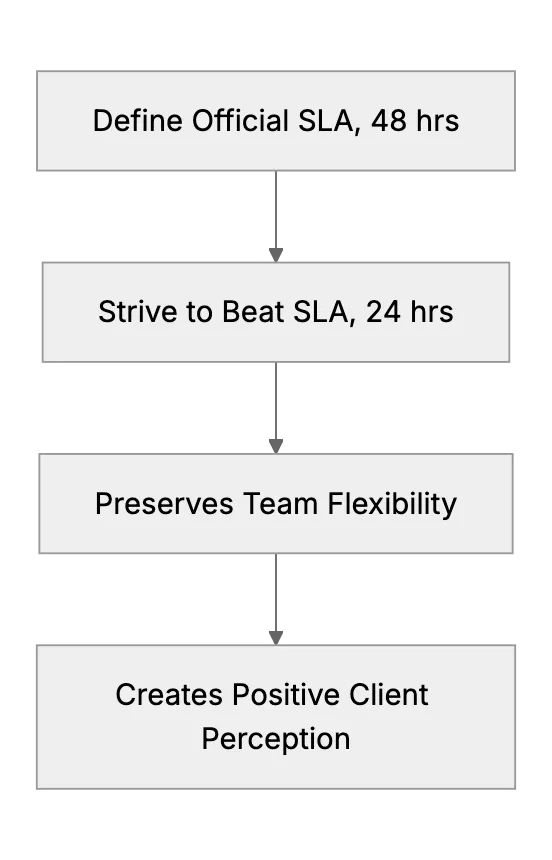
Set a modest official SLA (say 48 hours) and aim to beat it with 24-hour replies so you have buffer for spikes without sacrificing security.
Teams often underestimate the mental strain of maintaining tight SLAs around the clock. A single person might be on duty for all urgent tickets, even on weekends. Burnout is possible. If you're dealing with regulated industries, additional security tasks can be time-consuming, so you must staff enough employees to handle both those tasks and your SLA obligations. Providing a modest SLA might be the safer approach.
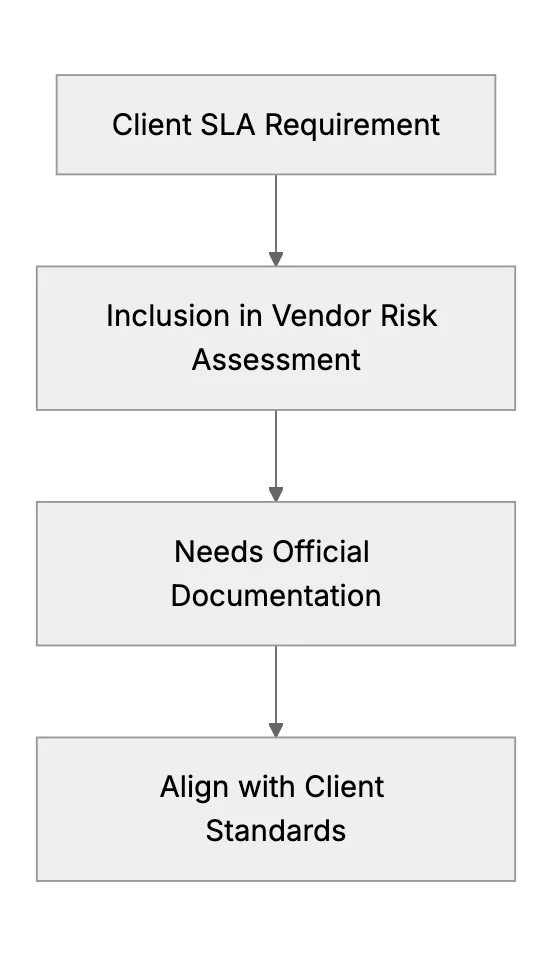
Clients in industries like healthcare or government might want formal SLAs documented for their own audits or vendor assessments. Regulations may require certain response times as part of vendor oversight. You might need to incorporate these standards in your official SLA. But don't promise an unrealistic window just to close a deal.
When clients ask for high-speed response SLAs, negotiate. Emphasize the importance of accurate solutions. Show them the benefits of stable coverage. Outline escalation paths. If they need after-hours help, clarify your ability to respond. You can also offer faster response as an upgraded service tier if your resources allow it. That helps you match client demands without shortchanging your standard SLA for everyone else.
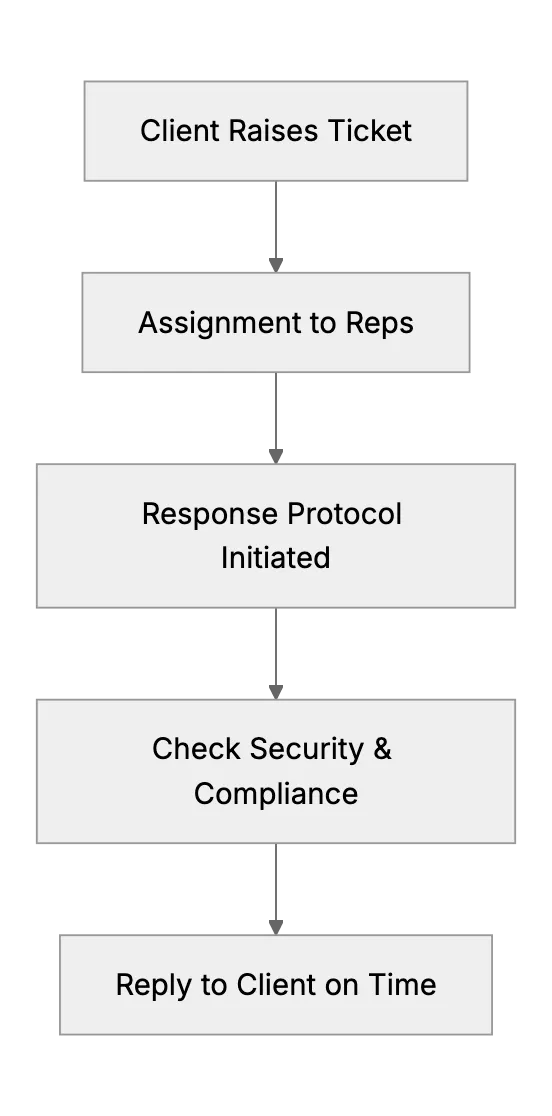
To keep an SLA promise, define internal protocols. For instance, how quickly do you assign each ticket? How do you handle weekends and holidays?
Avoid overpromising. Publish a realistic SLA your small team can fulfill, then aim to outperform it.
Related Articles
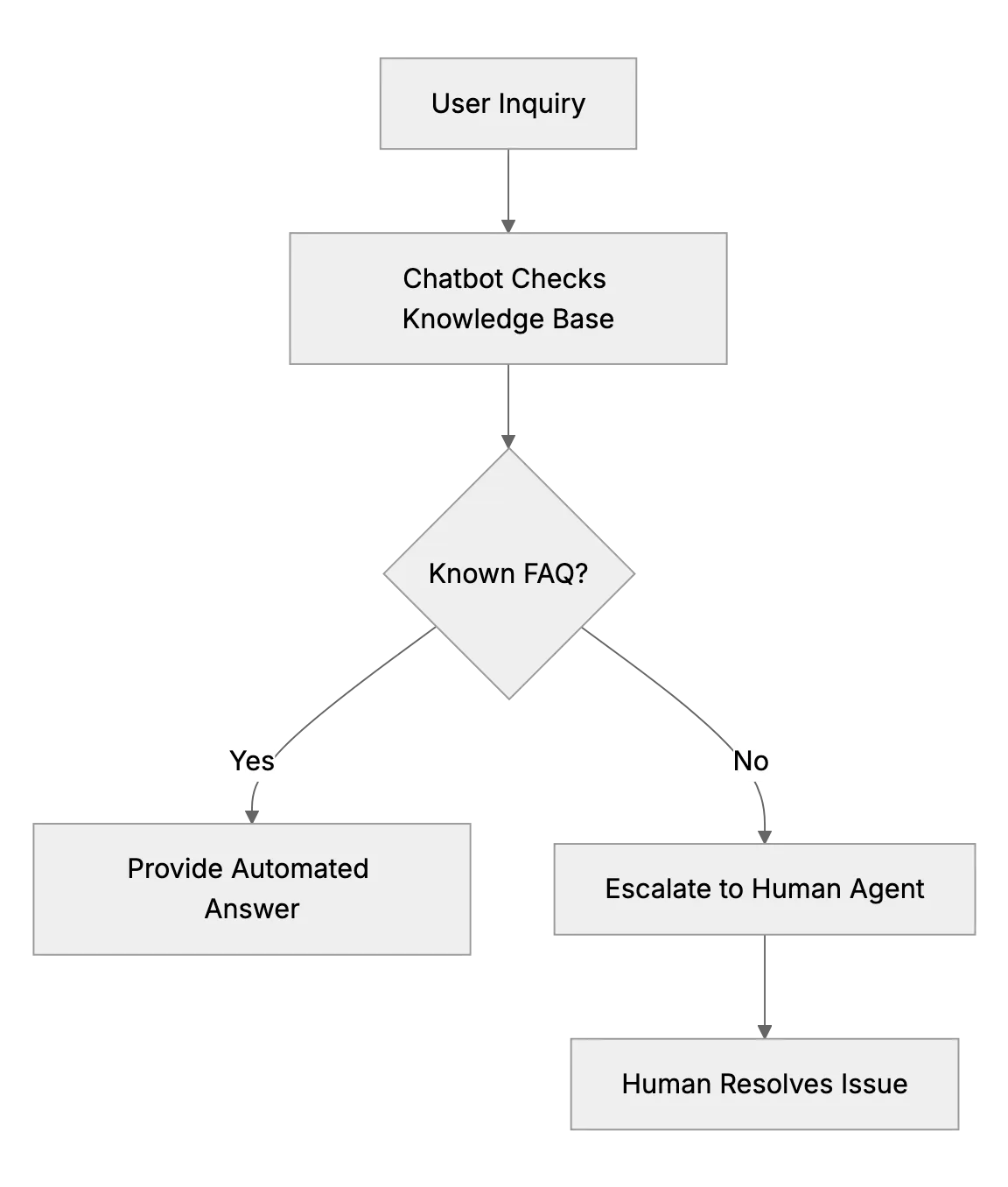
Deploying a Chatbot for Tier-1 Questions So Your Team Handles Only Complex Issues
Train a chatbot on your FAQ to answer order status and password questions, learn from its failed chats, and hand hard cases to a person with context.
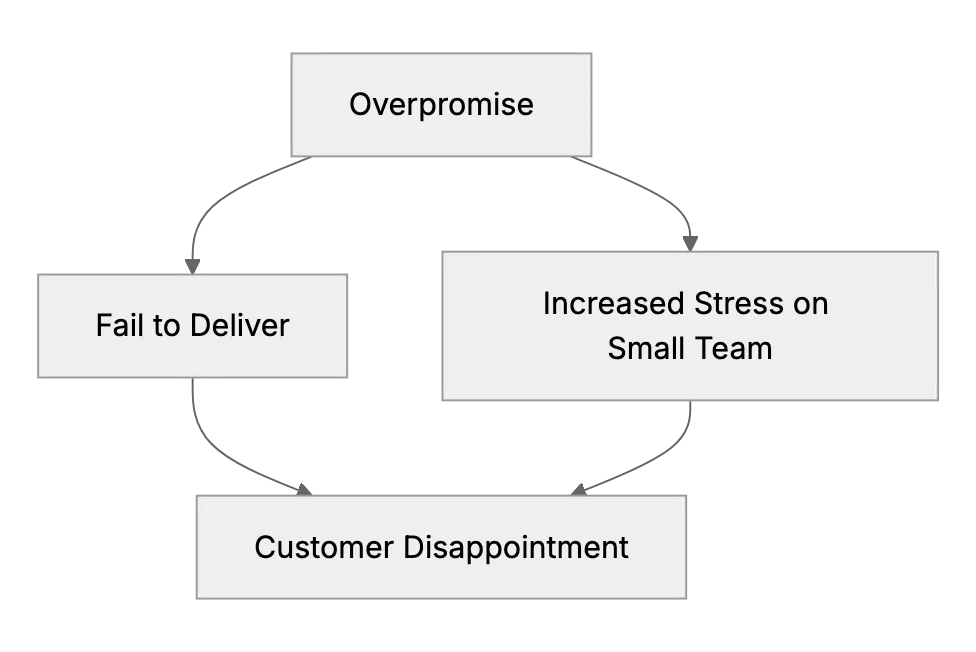
Avoiding Overpromising: Setting Support Boundaries Your Small Team Can Uphold
Learn how to set sensible small-business support policies to protect your team from unrealistic demands
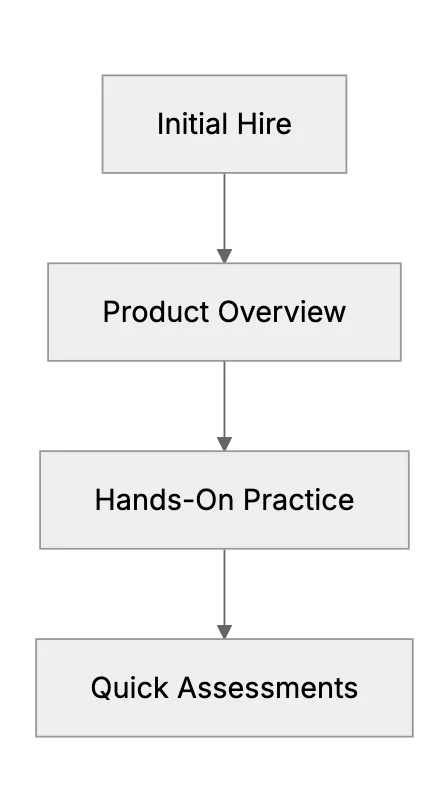
Onboarding a New Support Hire (Training in a Small Team Environment)
One day she was alone told a prospect I’m busy can you come back tomorrow Didn’t take down contact info We don’t want to let her go… looking for ideas on what to try