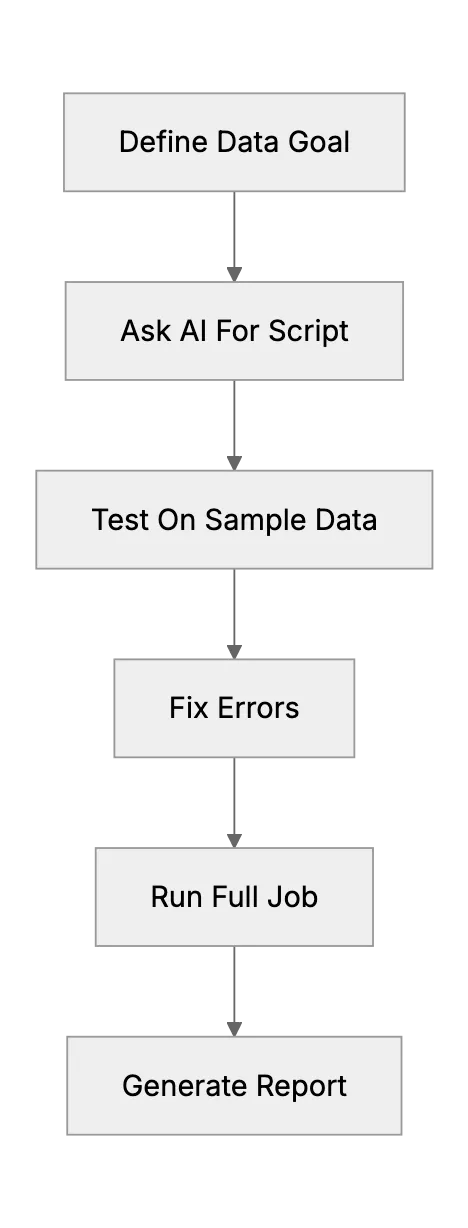
AI Code Generation Cuts Data Analysis Time for Startups
How small teams speed up data analysis and reporting with ChatGPT, Code Interpreter and other AI coding helpers.
3 min read
BLOG
How small teams speed up data analysis and reporting with ChatGPT, Code Interpreter and other AI coding helpers.
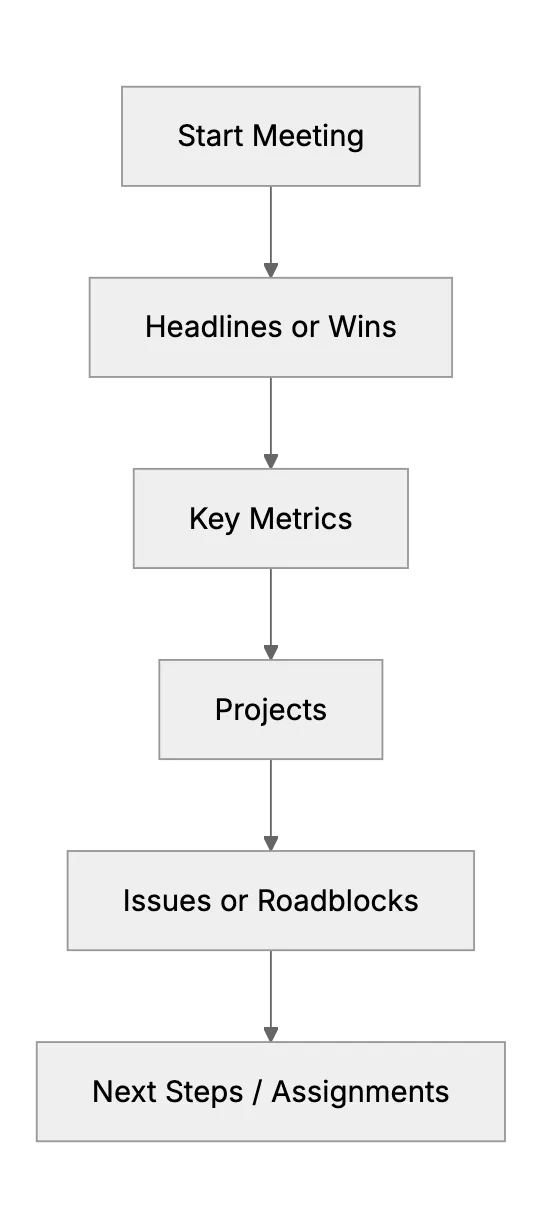
Where I’m struggling is our support meeting... It’s kind of painful. I list off the week’s assignments, we go over trends (they never come prepared with their own talking points)... How are your support team meetings structured? What do you expect of your support agents?
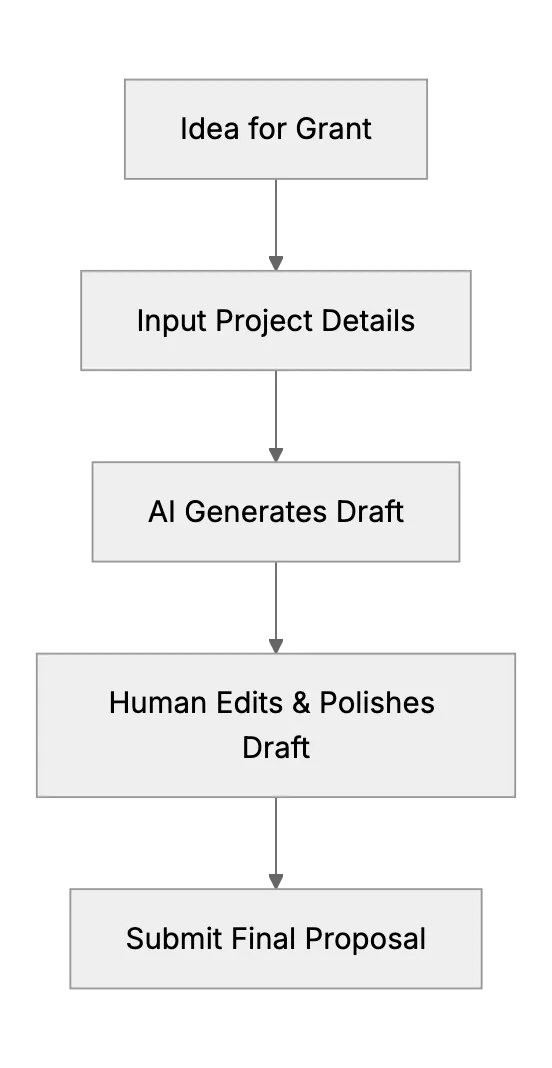
How AI tools boost grant writing for nonprofits
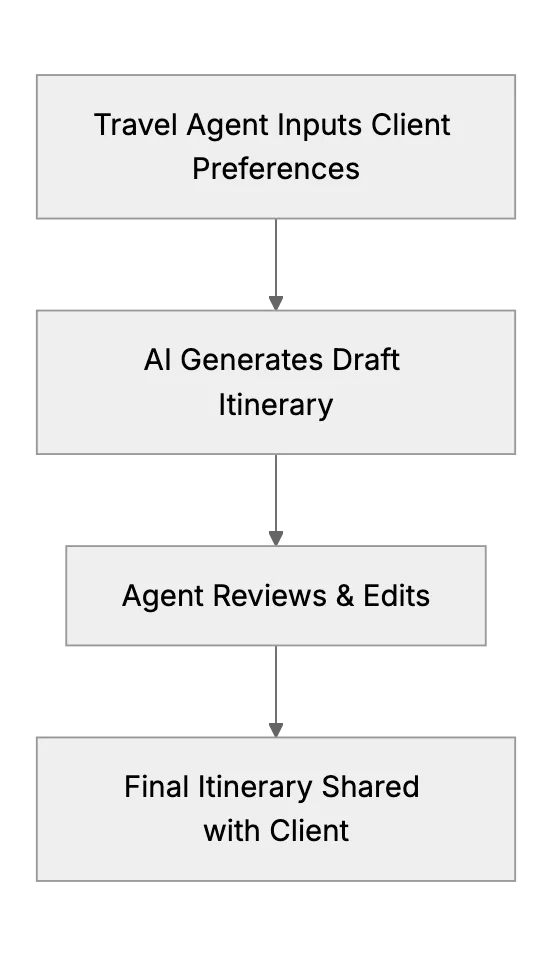
How AI helps travel agents and Airbnb hosts plan itineraries and answer tourist queries
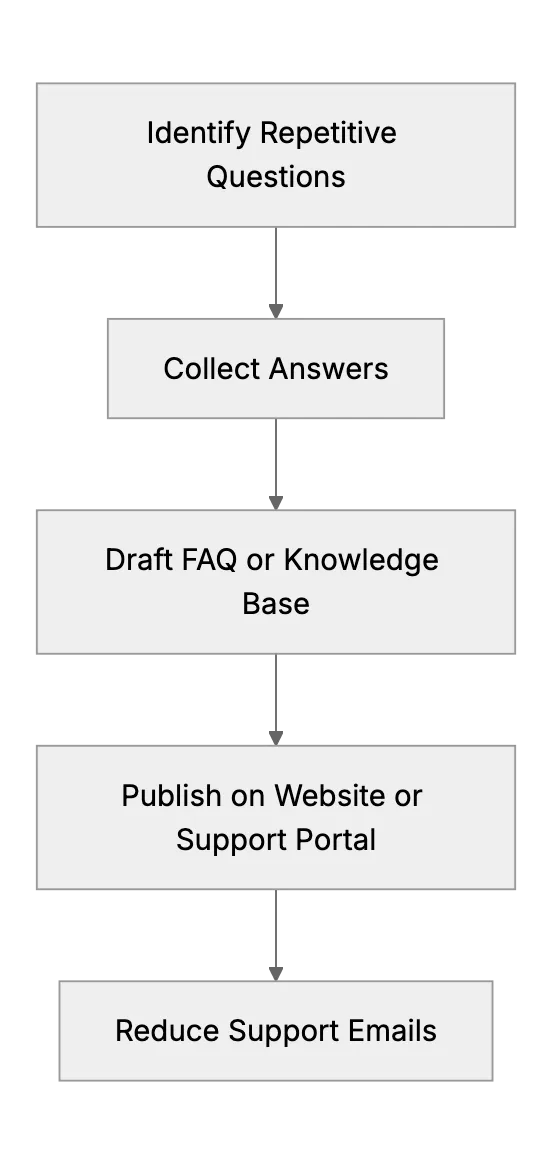
If you're a small business owner then you've probably wondered how to reduce repetitive questions and help customers. This article discusses how to create a simple FAQ or help center to reduce repetitive questions and help customers.
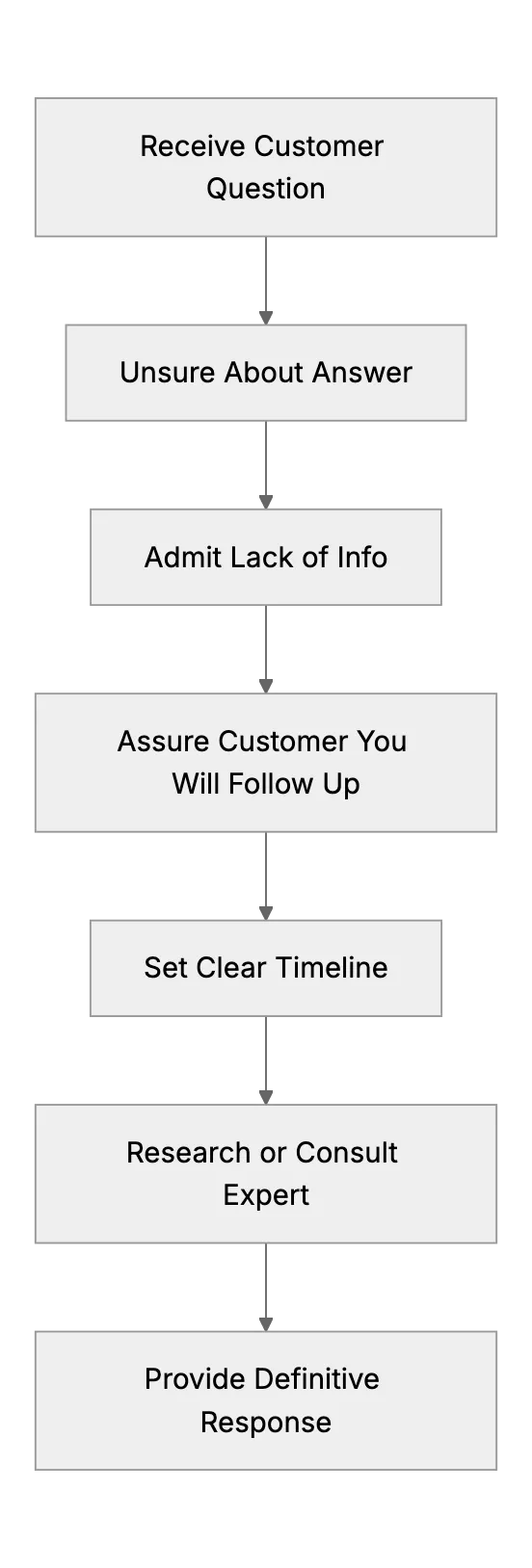
What if a customer asks something you don’t know how to answer? As a small business owner, you can’t solve every problem on the spot. Honesty and resourcefulness are key. This article will coach support people on handling these moments: admit you don’t have the info yet, assure the customer you’ll find out, and then actually follow through (by researching or consulting an expert). We’ll share a simple response template like That’s a great question , let me check with my team/get more information, and I’ll get back to you by [time] By being transparent and responsive, even a one-person operation can tackle tough questions without losing customer confidence.
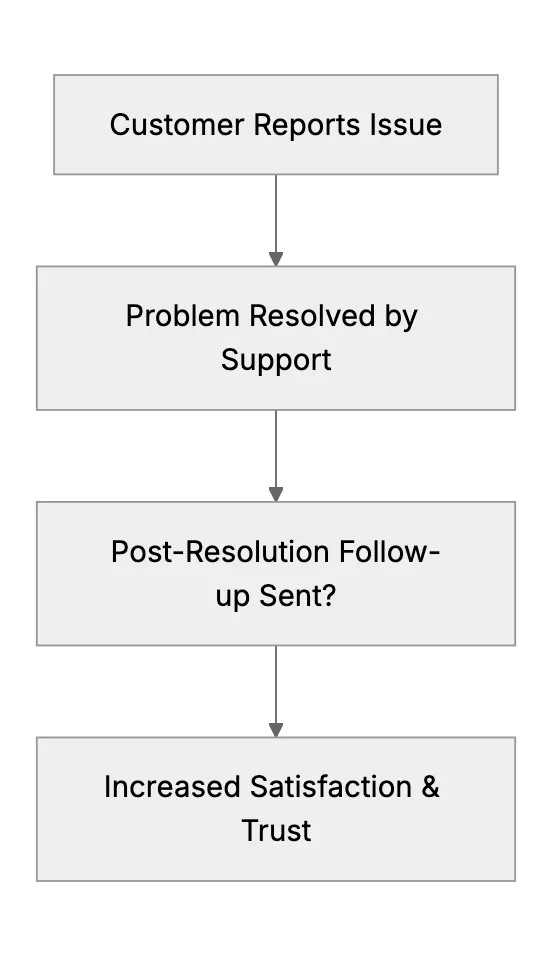
Do you follow up with customers after resolving their issue? A brief follow-up message can confirm satisfaction and prompt positive reviews. Here’s how.
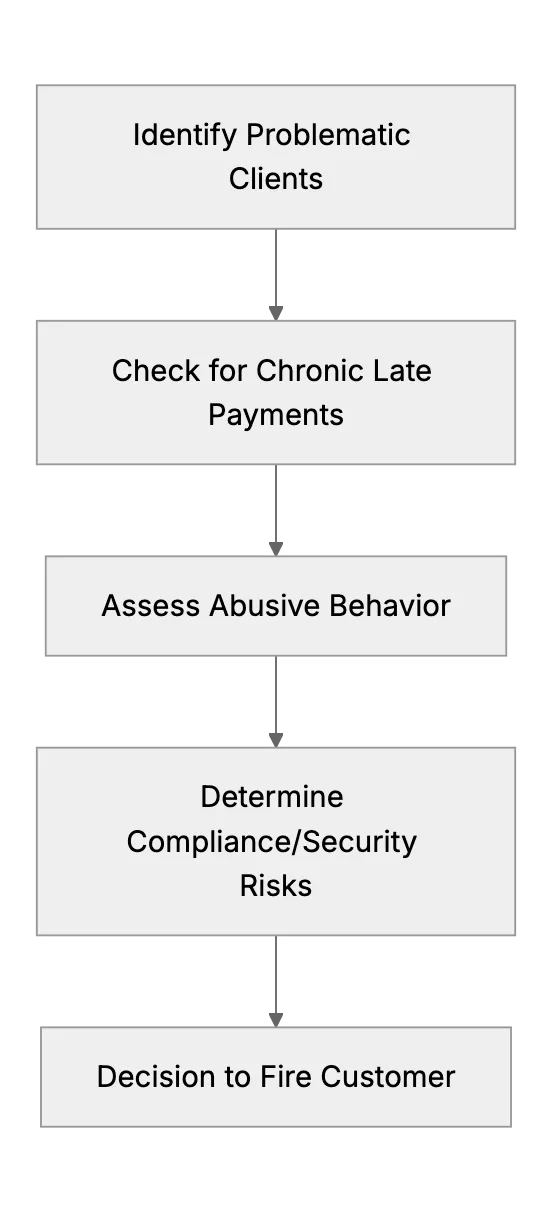
Have you ever fired a customer? How do you know when a client is more trouble than they’re worth, and what’s the polite way to do it?
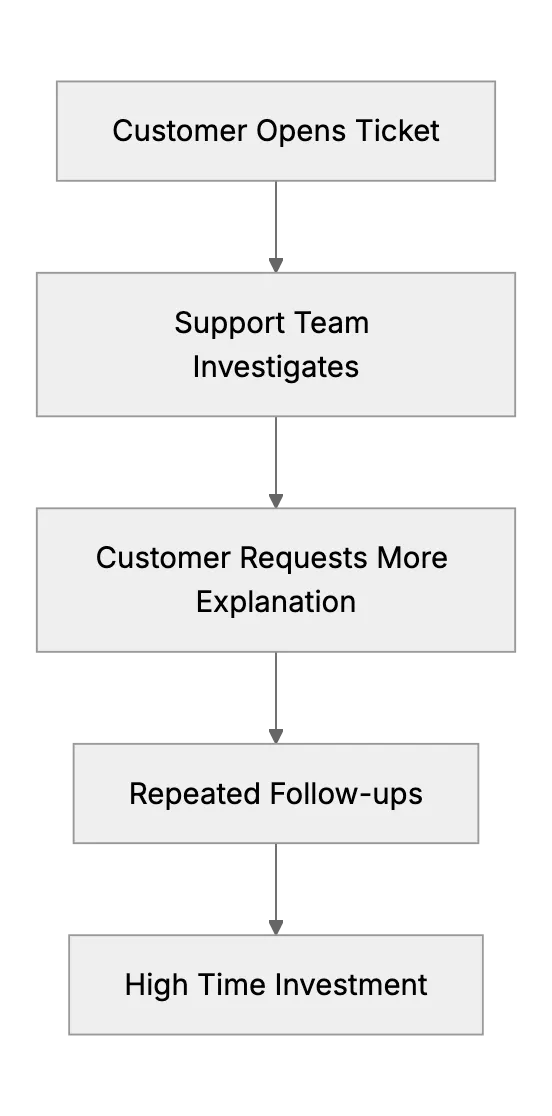
If you have a few customers who constantly need hand-holding and take a lot of time, this article is for you. Learn strategies like setting clear boundaries, creating help resources, and politely educating them to use self-service options.